
2019-12-13 09:32:00 Fri ET
stock market gold oil stock return s&p 500 asset market stabilization asset price fluctuations stocks bonds currencies commodities funds term spreads credit spreads fair value spreads asset investments
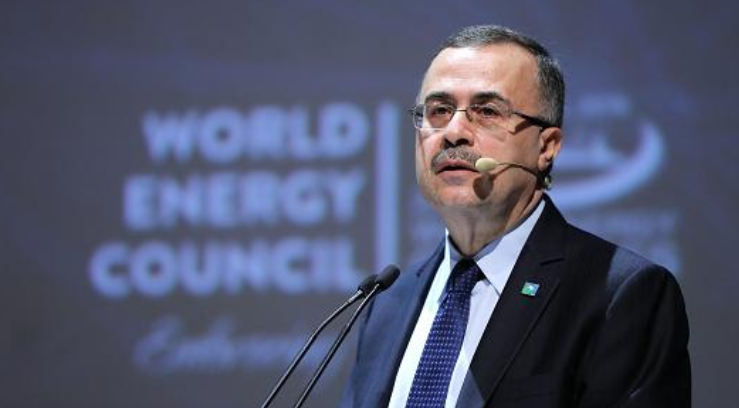
Saudi Aramco aims to initiate its fresh IPO in December 2019. Several investment banks indicate to the Saudi government that most investors may value the middle-east oil company at the target range of $1.5 trillion to $1.7 trillion. This current stock market valuation falls shorts of the prior $2 trillion benchmark that the crown prince Mohammed bin Salman anticipated in his first Saudi Aramco IPO announcement back in 2016.
As the most profitable state oil enterprise, Saudi Aramco is worth almost twice the equity valuation of Apple (which leads almost all U.S. public corporations in terms of stock market capitalization). Further, Saudi Aramco earns more than the overall net income of the other top international oil companies (ExxonMobil, Royal Dutch Shell, BP, and Chevron).
The prince expects to funnel the Saudi Aramco IPO proceeds into a new sovereign wealth fund that helps the middle-east kingdom wean the fragile Saudi economy off its long-run reliance on oil production. The sovereign wealth fund can empower Saudi Arabia to diversify across numerous new industries such as Internet search, mobile pay, artificial intelligence, robotic automation, semiconductor technology, and cloud computation etc. This diversification helps minimize the primary national security threat to Saudi Arabia.
If any of our AYA Analytica financial health memos (FHM), blog posts, ebooks, newsletters, and notifications etc, or any other form of online content curation, involves potential copyright concerns, please feel free to contact us at service@ayafintech.network so that we can remove relevant content in response to any such request within a reasonable time frame.
2018-08-07 07:33:00 Tuesday ET
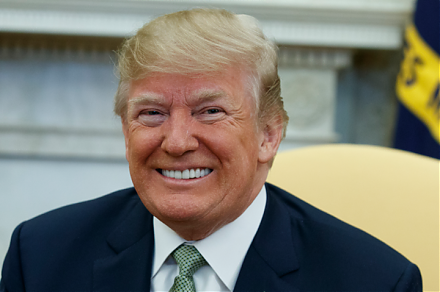
President Trump sounds smart when he comes up with a fresh plan to retire $15 trillion national debt. This plan entails taxing American consumers and produc
2019-06-01 10:33:00 Saturday ET
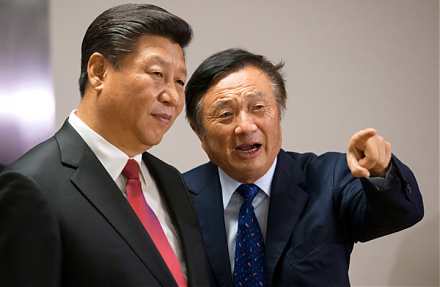
Top tech firms such as Google, Intel, and Qualcomm suspend Android services to HuaWei as the Trump administration blacklists the Chinese company. HuaWei can
2023-08-21 12:25:00 Monday ET

Steven Shavell presents his economic analysis of law in terms of the economic outcomes of both legal doctrines and institutions. Steven Shavell (2004)
2018-05-02 06:32:00 Wednesday ET
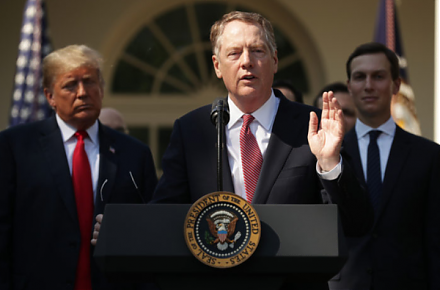
What are the primary pros and cons of free trade or fair trade in the current Sino-American quagmire? Free trade means allowing goods and services to move a
2019-04-29 08:35:00 Monday ET

IMF chief economist Gita Gopinath predicts no global recession with key downside risks at this delicate moment. First, trade tensions remain one of the key
2020-02-19 14:35:00 Wednesday ET

The U.S. bank oligarchy has become bigger, more profitable, and more resistant to public regulation after the global financial crisis. Simon Johnson and