
2018-03-01 07:35:00 Thu ET
technology antitrust competition bilateral trade free trade fair trade trade agreement trade surplus trade deficit multilateralism neoliberalism world trade organization regulation public utility current account compliance
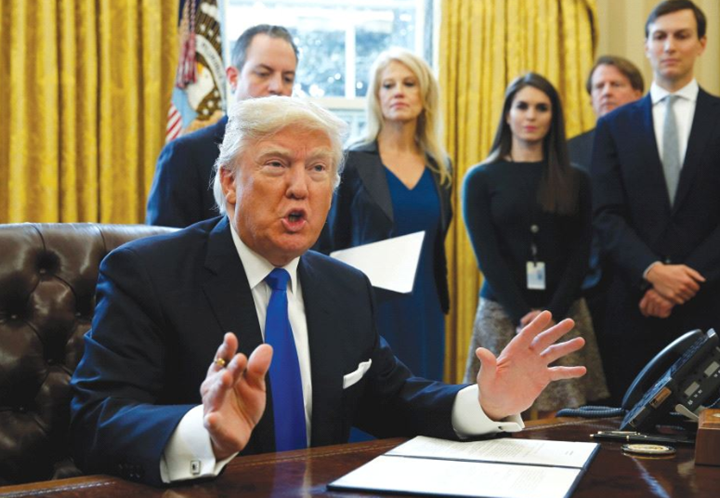
Trump imposes high tariffs on steel (25%) and aluminum (10%) in a new trade war with subsequent exemptions for Canada and Mexico. The Trump administration's Trade Act Section 232 investigation suggests that the main sources of U.S. steel-and-aluminum trade deficits are Canada, Europe, Mexico, and China.
In light of both Section 301 and Section 232 investigations, the steel and aluminum tariffs seem to target China and the European Union. There are a pair of pertinent problems with imposing tariffs on foreign imports of this nature. First, the tariff tactic is a massive diplomatic gambit. In effect, this tactic may pose the imminent risk of retaliation from multiple countries. Second, this strategic move can inevitably lead to higher consumer prices from food cans to cars and airplanes insofar as these products involve the use of steel or aluminum. These price increases can thus feed back to fuel higher inflation in America. Also, American households and firms may experience higher costs and so lower disposable income. The resultant decrease in aggregate demand can be detrimental to U.S. economic output, employment, capital investment, and so on. When push comes to shove, the law of inadvertent consequences counsels caution.
If any of our AYA Analytica financial health memos (FHM), blog posts, ebooks, newsletters, and notifications etc, or any other form of online content curation, involves potential copyright concerns, please feel free to contact us at service@ayafintech.network so that we can remove relevant content in response to any such request within a reasonable time frame.
2023-12-03 11:33:00 Sunday ET

Macro innovations and asset alphas show significant mutual causation. April 2023 This brief article draws from the recent research publicati
2018-01-08 10:37:00 Monday ET

Spotify considers directly selling its shares to the retail public with no underwriter involvement. The music-streaming company plans a direct list on NYSE
2018-01-02 12:39:00 Tuesday ET
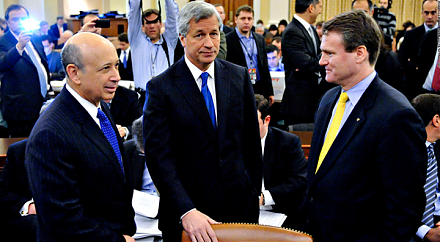
Goldman Sachs takes a $5 billion net income hit that results from its offshore cash repatriation under the new Trump tax law. This income hit reflects 10%-1
2017-02-19 07:41:00 Sunday ET

In his recent book on personal finance, Tony Robbins recommends that each investor should rebalance his or her investment portfolio *only once a year* to in
2019-05-03 11:29:00 Friday ET

Key tech unicorns blitzscale business niches for better scale economies from Uber and Lyft to Pinterest, Slack, and Zoom. LinkedIn cofounder and serial entr
2020-02-19 14:35:00 Wednesday ET

The U.S. bank oligarchy has become bigger, more profitable, and more resistant to public regulation after the global financial crisis. Simon Johnson and