
2019-10-01 11:33:00 Tue ET
technology antitrust competition bilateral trade free trade fair trade trade agreement trade surplus trade deficit multilateralism neoliberalism world trade organization regulation public utility current account compliance
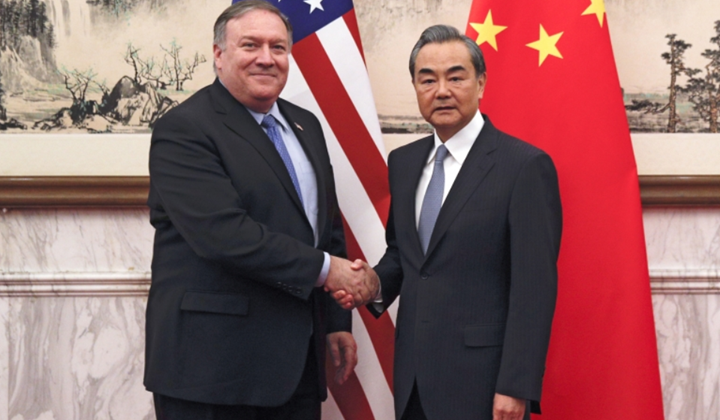
The Trump administration postpones increasing 25% to 30% tariffs on $250 billion Chinese imports after China extends an olive branch to de-escalate Sino-American tariff tension. China also resumes purchasing American agricultural products such as soybeans and pork bellies to better balance the current U.S. trade deficit. These reconciliatory gestures of good will arise in the broad context of trade negotiations as both sides reconvene in early-October 2019. From Dow Jones and Nasdaq to Shanghai and Hong Kong, U.S. and East Asian stock markets rebound 3%-to-5% in response to this positive change in the Sino-U.S. trade engagement.
In the next round of U.S.-China trade negotiations, both sides delve into the more difficult legislative structural reforms in Chinese state capitalism. It is important for the U.S. trade envoys and reps to urge Chinese bureaucrats and policymakers to sign into law better intellectual property protection and enforcement. This structural reform would empower multinational corporations such as Apple and Microsoft to institute tort lawsuits over patent, trademark, and copyright concerns in the worst-case scenario of intellectual property infringement. The Chinese Xi administration needs to mull over a genuine compromise. The structural reform may overturn the current fundamental state-centric economic development model in China.
If any of our AYA Analytica financial health memos (FHM), blog posts, ebooks, newsletters, and notifications etc, or any other form of online content curation, involves potential copyright concerns, please feel free to contact us at service@ayafintech.network so that we can remove relevant content in response to any such request within a reasonable time frame.
2019-04-15 08:37:00 Monday ET
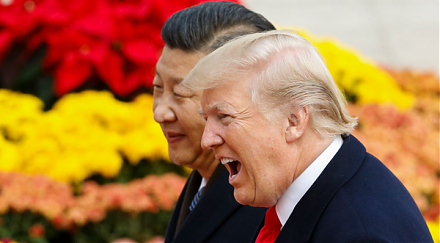
Chinese Belt-and-Road funds large international infrastructure investment projects primarily in East Asia, Central Asia, North Africa, and Italy. Chinese Be
2019-07-09 15:14:00 Tuesday ET
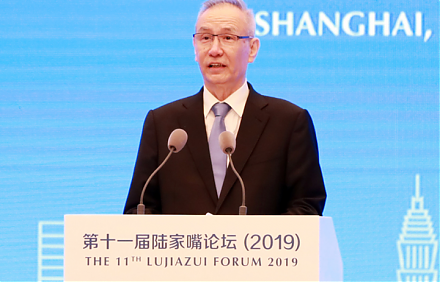
The Chinese new star board launches for tech firms to list at home. The Nasdaq-equivalent new star board serves as a key avenue for Chinese tech companies t
2020-02-19 14:35:00 Wednesday ET

The U.S. bank oligarchy has become bigger, more profitable, and more resistant to public regulation after the global financial crisis. Simon Johnson and
2023-09-21 09:26:00 Thursday ET

Jordi Gali delves into the science of the New Keynesian monetary policy framework with economic output and inflation stabilization. Jordi Gali (2015)
2020-04-17 07:23:00 Friday ET

Clayton Christensen defines and delves into the core dilemma of corporate innovation with sustainable and disruptive advances. Clayton Christensen (2000)
2018-11-23 09:39:00 Friday ET

Former White House chief economic advisor Gary Cohn points out that there is no instant cure for the Sino-U.S. trade dilemma. After the U.S. midterm electio